An Essay.
On authenticity, editorial influence and agency in craft.
T.A.I Studio is a family business.
My wife and I started it together, but much of what we make grew out of the work her family was already doing in Phatthalung. I grew up in Britain, and I’m the one behind the camera.
This matters because, despite being visually absent as a narrator, my narration is everywhere.
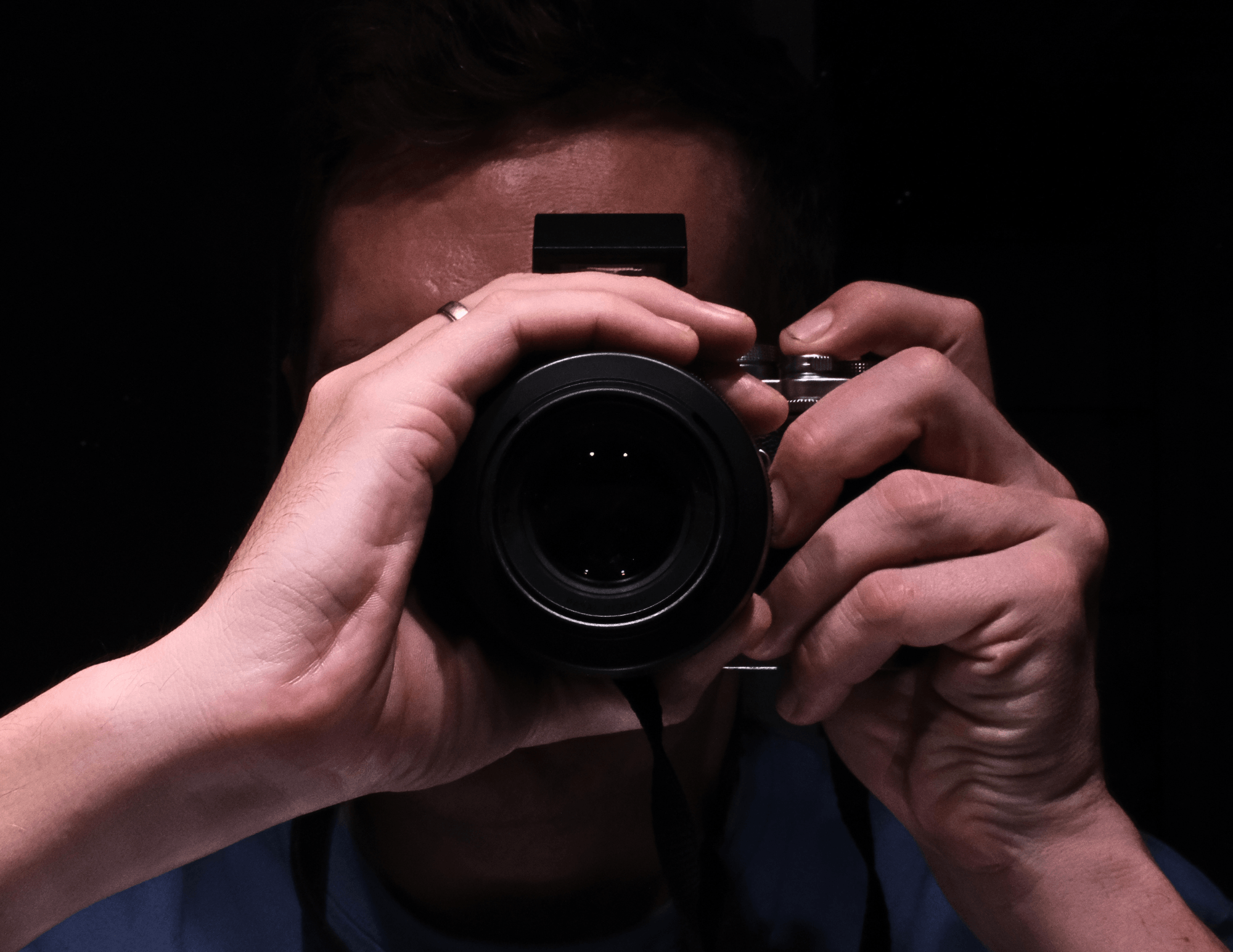
I take the photos, edit them, choose which to show and how to associate them with different elements of a culture I cannot claim as my own.
There’s more. This presentation is also influenced by a basic commercial need to match a style and worldview used by, and palatable to our customers, because they know it will help them sell things, to you.
Is this authenticity? I’m not sure.
Here’s how I see it.
The photo not chosen, the decision to trim or cut, just a little to the left. Or right. The choice of question and framing of response. The F-Stop setting which blurs a detail central to the essence of the subject.
Editorial influence is inevitable, even when you try to do everything you can to remove it.
These tensions remain even when the decisions are made sincerely. When you shape an image for an audience, what becomes easier to see, and what becomes easier to miss?
P'Jiw is happy to talk to camera, but only when she's working.
P'Suda is camera shy, proud of her work and happy for her hands and voice to be featured.
A viewer might see a close-up of hands and assume an editorial decision was made which has limited visibility and agency. They can’t know this instance was her choice.
A maker may welcome being credited and still have preferences about where their name appears or what story it’s attached to.
We use names because we know them and the people behind them, but naming alone doesn’t equal agency.
Everyone we work with has a say in how they appear. The words the audience hears and what they see alongside them are still choices made by me. The finished work can carry both, even when the viewer can’t tell whose choice was whose.
Fragments and Reels are part of our response to this tension. Observed moments from the wider world around the people and the objects with as minimal commentary, interpretation or filter as consciously possible.
The sound of fibres being sliced. The radio playing over background conversations. Laughter and gossip as stories are shared.
Even then, choices are necessary. When to press record. Which clip to share and when to share it.
So what’s the answer?
Individual agency.
Decisions based on understanding the subtleties of real relationships.
Knowing the limitations of my own view.
Space for things and people and moments to just exist.
Is this authenticity? Still not sure.
