The Faceless Artisan.
Authenticity has a name.
That name is not Artisan.
Pa'Ree. P'Suda. Pa'Niat. Na Wann. Na Yenn. P'Moo. P’Wit. Yai’Lan. P’Koy. P’Jiw. Ta’Lob. Yai’Ob.
The people in our community are mothers, fathers, farmers, cooks, neighbours, business owners and respected leaders. They also make things.
Yet much of the hospitality, lifestyle and retail industries reduce them to a single word.
Why do outsiders with no connection to these communities define the people who live within them?
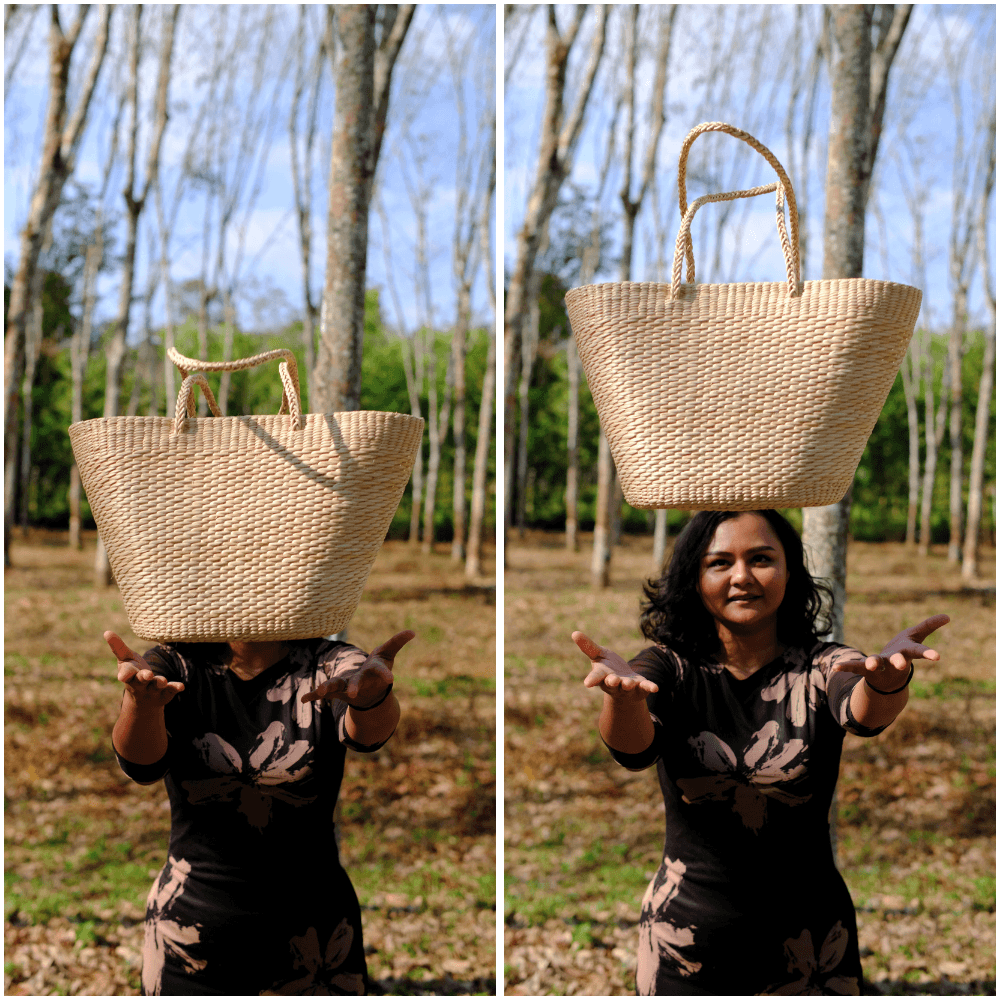
What changes when we learn their names?
Observed Authenticity.
“Our skilled artisans….”
“Helping empower communities…”
“Woven with care….”
All now familiar marketing tropes, but have these words lost their meaning?
When they become the entire story - yes.
We learn that a product is handmade. We learn that it supports makers.
We learn that it preserves traditions.
Then we learn about the third-party providing empowerment and opportunities.
We rarely learn who the makers are.
We don’t know their names.
We don’t know their stories.
Why not?
The more a person becomes "an artisan", the less they appear as a person.
“When people are reduced to symbols, culture becomes scenery and communities become marketing assets”
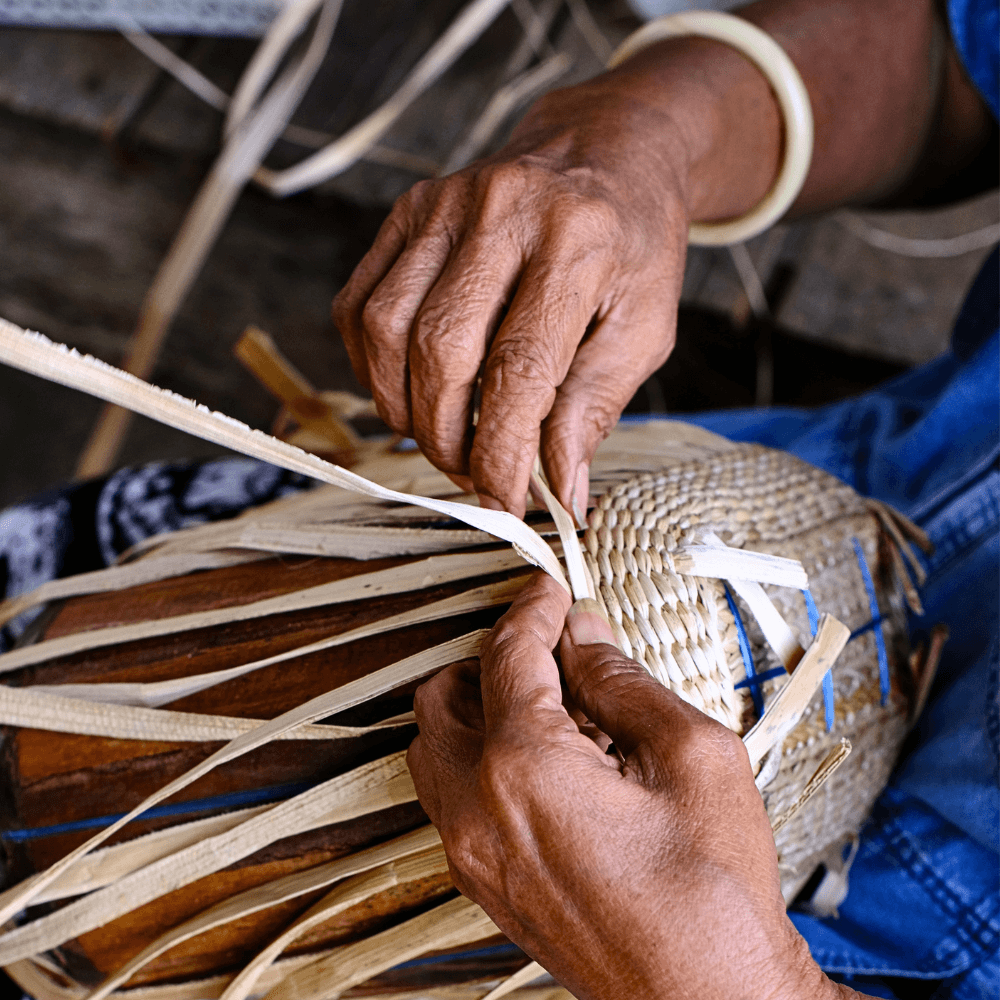
Whose hands are these?
We Are Not Benefactors.
The people we work with do not need us to create opportunities for them.
The skills, traditions and communities were already here.
We did not teach them to weave.
We did not teach them to harvest.
We did not teach them to embroider.
Their culture does not depend on our involvement. Our involvement depends on theirs.
“They are not “our” makers and we are not their saviours.”
Our role is not to create their story.
Our role is to participate in it.
Not as providers, benefactors or intermediaries, but as another voice in a story already being written.
Authenticity has a name.
Pa'Ree. P'Suda. Pa'Niat. Na Wann. Na Yenn. P'Moo. P’Wit. Yai’Lan. P’Koy. P’Jiw. Ta’Lob. Yai’Ob.
The moment we learn those names, the word artisan is no longer enough.
